
Litho-laminated boxes
Litho-laminated boxes combine a high quality printed sheet with corrugated board, giving you the print finish of litho with the strength of a box made for handling. We print and convert these cartons in Pinetown for packed goods that need neat presentation, stacking strength and dependable delivery across South Africa.
Built for print quality and board strength
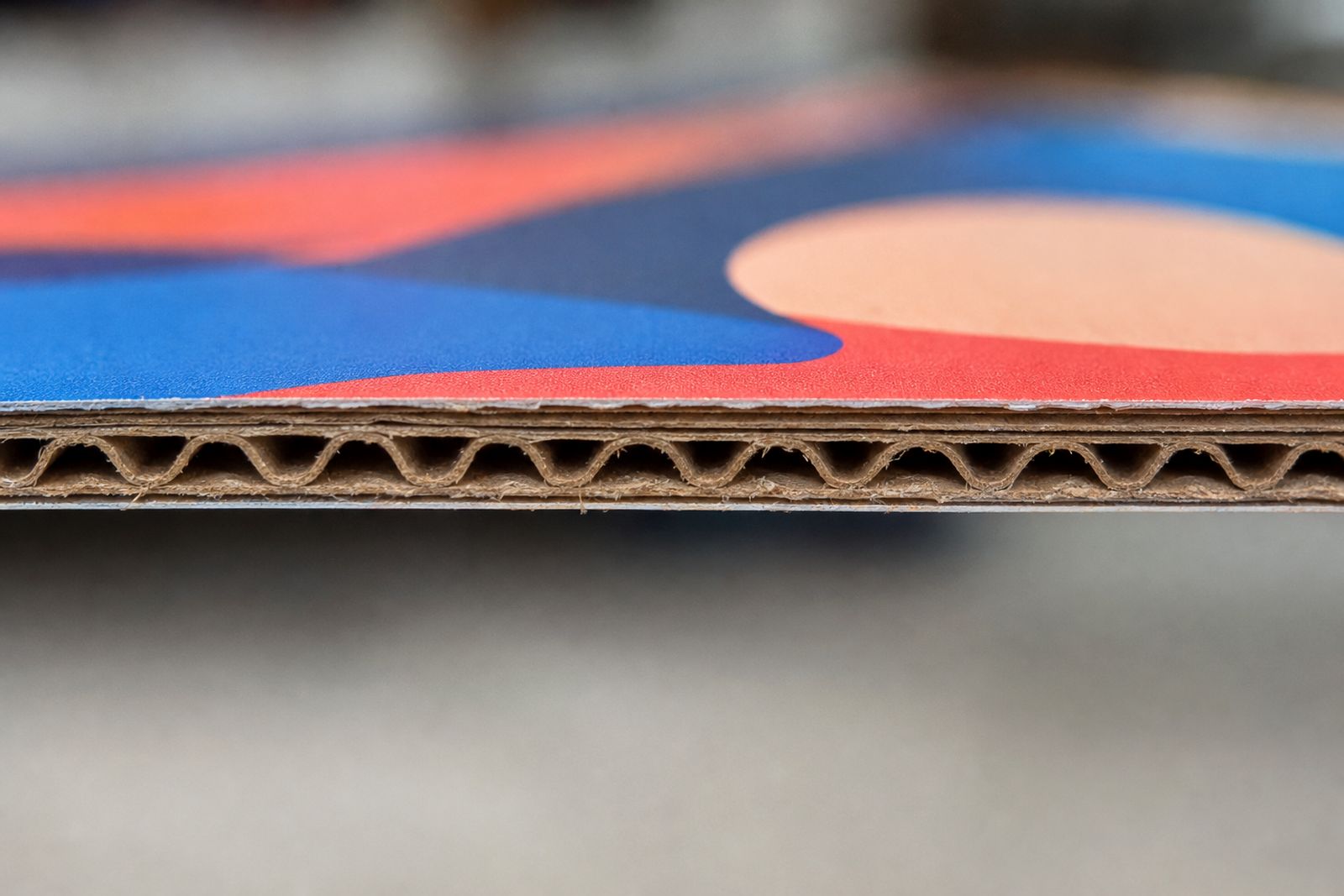
A litho-laminated box starts with a printed top sheet, usually on cartonboard or paper suited to offset work, which is then laminated onto corrugated board. That gives you cleaner colour, finer text and better image detail than direct print on corrugated, while keeping the stiffness needed for outers, shelf packs and display cartons. It is a practical format for goods that move through warehousing, transport and retail handling before the customer ever opens the pack.
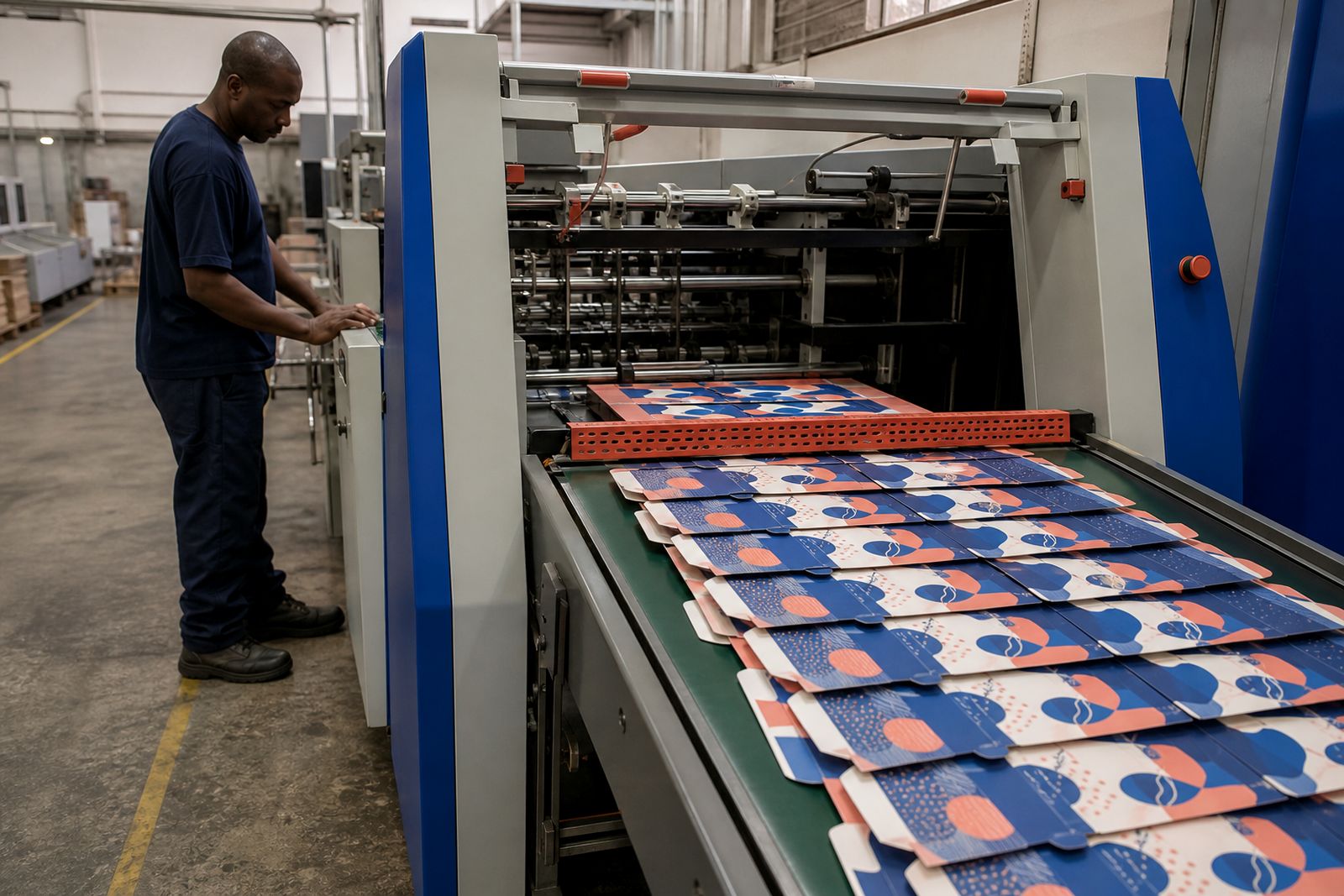
In our plant the process covers artwork checks, proofing, printing, laminating, die cutting and gluing. The final box can be supplied flat for your packing line or formed in styles that suit hand packing and short packing runs. This format works especially well when the outer carton is expected to do more than protect the item, it also has to carry the brand properly.
- Sharp logos, small type and tidy barcode reproduction.
- Better crush strength than a standard folding carton.
- Suitable for heavier contents and stacked transit loads.
- Can be finished with varnish, spot effects, foil details or embossing where the board grade allows.
Box styles, sizes and practical limits
Litho-lamination suits regular slotted cartons, tuck styles, crash lock bases, shelf ready trays, die cut transit packs and display outers. Size is not one fixed standard because the job is built around your packed product, board choice and the way the carton must open, close and stack. We look at internal pack size first, then allow for board thickness, glue flaps, locking points and machine direction.
Very small packs with tight folds are usually better handled as folding cartons rather than laminated corrugated. At the other end, very large boxes can be made, but artwork layout, sheet breaks and board stability need checking early. Heavy solid contents may call for stronger flute profiles or a pack redesign so the load sits correctly. If the box needs windows, tear strips or dispenser openings, those can often be built in, but they change the die line and should be discussed before final approval.
- Small retail outers and shelf trays.
- Mid size product boxes for multipacks and promo kits.
- Larger transit cartons with printed outer faces.
- Display packs with perforations, hoods or front tear away sections.
Where litho-laminated boxes make sense
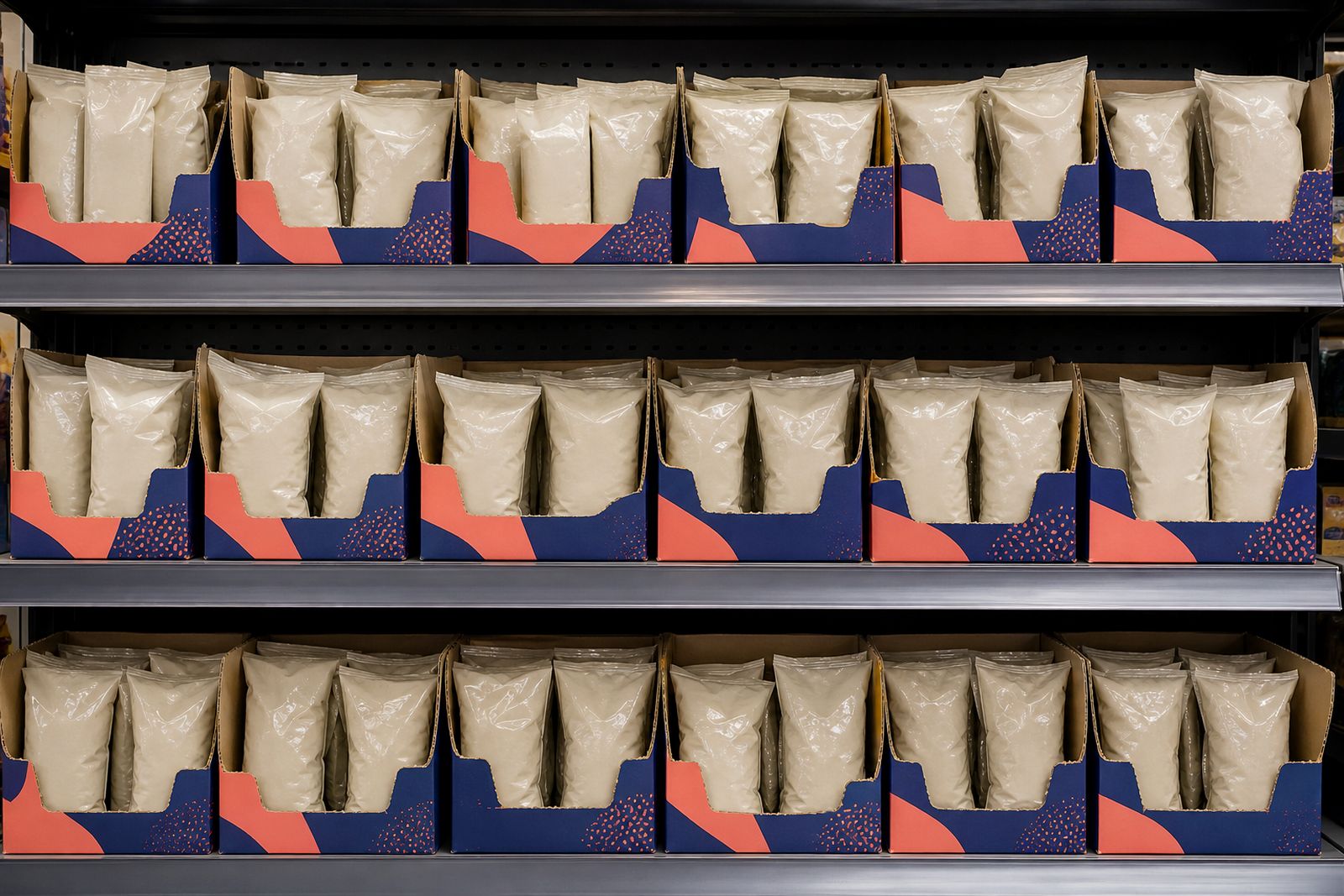
These boxes are commonly used for food and beverage outers, cosmetics sets, appliance accessories, electronics packs and promotional retail units. They suit products that need a stronger carton but still rely on appearance at dispatch, in wholesale stockrooms or on shelf. In KwaZulu-Natal, where goods can move through humid coastal conditions and warm storage, board selection matters a lot. A box that looks fine on a sample can soften or bow if the flute and liner are not matched to the route and storage conditions.
There are also jobs where litho-lamination is not the right answer. If you need a very light carton with fine crease performance for small unit packs, folding carton stock is often a better fit. If the pack is for wet chain use, cold rooms, greasy filling lines or rough export handling, we may need to look at coatings, board changes or a different pack structure. We do not make plastic packaging, so where a brief depends on rigid plastic trays or clamshells that would sit outside our scope.
Packing line and storage requirements
Boxes only perform properly if the site conditions match the board choice. Packed flats should be stored dry, level and off the floor, away from open doors where damp air moves in overnight. In coastal areas around Durban this is not a small detail. Moisture can affect panel flatness, glue bond and stacking strength, especially if cartons are left unwrapped in a humid storeroom.
If the job is for machine erection, tell us the packer type, carton feed direction and any known issues with suction pickup or folding points. For hand packing, we need to know whether staff apply tape, hot melt or self locking closures on site. Where the box forms part of a retail display, send shelf dimensions and how many units must face forward once the perforated section is removed.
- Keep cartons in a clean dry store.
- Allow the packs to settle to site conditions before filling.
- Do not overload stacks beyond the agreed packing pattern.
- Use the intended closure method during trials, not a temporary substitute.
Finishes, care and handling after delivery
The printed face can be finished to suit the trade and the shelf environment. Gloss or matt varnish helps with scuff resistance, while spot coatings and metallic details are used where the presentation needs more contrast. The right finish depends on how the carton is packed, transported and handled. A dark solid print on a busy line may need more surface protection than a lighter design, and that should be allowed for upfront.
Once delivered, cartons should stay banded or wrapped until needed. Dragging flats across concrete, over tightening straps or storing packs near wet washdown areas can mark the printed face and distort the board. For food related work especially, keep the cartons in clean enclosed storage and rotate stock sensibly. If you expect long holding periods before packing, mention that when you send the brief because it affects material choice a bit.
What to send with your enquiry
The quickest way to move a carton brief forward is to send the pack information in one clear batch through our contact form. If you already have a die line, artwork and packing spec, attach those. If not, send the product dimensions, packed weight and a note on where the carton sits in the chain: factory packing, warehouse stacking, retail shelf or all three.
Useful details include the item count per box, whether the pack is hand filled or machine filled, the board strength you use now if there is a current carton, and any print finish you have in mind. Samples of the current pack are useful where a replacement has to match a shelf footprint or shipper pattern, and they often save a round of avoidable changes.
- Internal product size in millimetres.
- Packed weight of the filled box.
- Required box style and closure method.
- Artwork files, dielines and barcode requirements.
- Whether the box is for transit only, retail display, or both.
- Delivery point in KwaZulu-Natal or another province.
What our Packaging customers say
Verified Google reviews
Questions we get asked
Are litho-laminated boxes the same as folding cartons?
No. A folding carton is usually made from a single sheet of cartonboard, while a litho-laminated box uses a printed sheet mounted onto corrugated board for more stiffness and load carrying ability.
Can these boxes be used for shelf ready packaging?
Yes, many shelf ready packs are produced this way because the box can carry retail print and still hold up during transport and stacking. Perforations, tear fronts and display openings must be planned into the die line.
What measurements do you need first?
Send the internal product length, width and depth, the packed weight, units per box and how the carton will be filled and stacked. If there is an existing sample, that helps a lot and avoids guessing on board choice.
Tell us about the job
Send sizes, materials and where you are through our contact form, and we will come back with the practical options.
Open the contact form